Neighbors at the Hearth: Making, Sharing, and Celebrating in High Villages

Roots That Bind the Ridge
Inside the Cooperative Workshop
Tool Libraries and Shared Kilns
A lathe costs less when its value is multiplied by many hands. Tool libraries, shared kilns, dye vats, and drying racks democratize access, spreading opportunity across ages and incomes. Calendars avoid clashes, while maintenance rosters teach stewardship and respect. Instead of personal debt, members invest shared attention, keeping equipment safe, sharp, and humming. The library model also inspires experimentation: try a carving gouge before committing, fire a test glaze with a neighbor, and discover collaborations that single benches rarely spark.
Mornings for Apprentices, Evenings for Masters
Time can be a curriculum. Many workshops dedicate quiet mornings to apprentices, reserving evenings for master classes and peer critiques. This rhythm reduces intimidation, widens entry doors, and preserves concentrated focus at every skill level. Rotating mentors bring different dialects of expertise, preventing any single style from dominating. Notes from each session become a living archive—mistakes cataloged, breakthroughs celebrated—so tomorrow’s makers stand on shoulders rather than start from scratch. In mountain hamlets, this temporal choreography sustains excellence without exclusion.
Safety, Access, and the Welcoming Bench
Heritage means nothing if hands are hurt or voices silenced. Clear signage, ventilation, adaptive tool grips, and buddy systems protect bodies while open feedback protects dignity. A literal welcoming bench—placed near the entrance—hosts newcomers for orienting chats, quiet observation, and first cuts under supervision. Accessibility ramps and wide aisles keep mobility part of design, not an afterthought. When safety expands participation, the workshop becomes a true commons where everyone can make, learn, and teach without fear or pretense.
Festive Craft Fairs: Markets with Heart
{{SECTION_SUBTITLE}}

Choreographing the Market Day
Rituals that Anchor Belonging
Materials, Ecology, and Right-Sized Economy
Sourcing with Respect and Foresight
Lambswool carries the warmth of pastures, alder bark yields reliable dyes, and wind-fallen timber protects living canopies. Makers work with foresters, shepherds, and foragers to set seasonal quotas and avoid fragile zones. Batch numbering and origin tags help trace responsibility back to landscape partners. Visitors learn why certain colors fade gently, or why a bowl’s grain tells a storm story. This transparency secures both habitat and heritage, proving that beauty deepens when it remembers where it began and who tended it.
Repair Desks and Lifetime Companionship
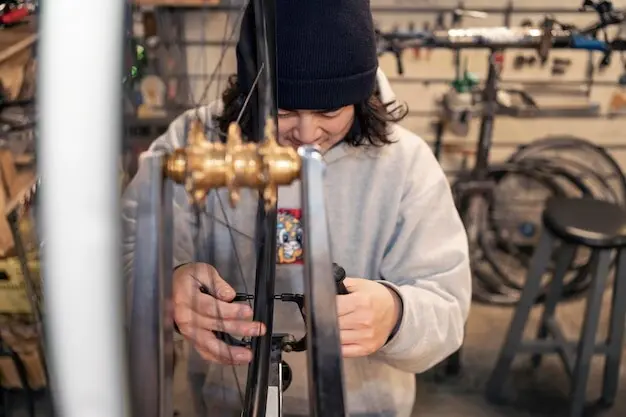
A fair’s most radical booth may be the repair desk. Darning, re-riveting, re-oiling, and refiring keep beloved objects in circulation, honoring the labor already embedded in them. Makers publish care guides and host tune-up days, turning warranties into relationships. Each mended seam accrues memory, reshaping value from gloss to trust. In cooperative workshops, maintenance classes extend the ethic: sharpen your neighbor’s chisel, learn to true a wheel, and return home knowing stewardship is the heart of durable prosperity.
Clear Prices, Shared Prosperity
Price cards can be tiny syllabuses: hours invested, materials sourced, overhead shared, margin directed to the community fund. When buyers see the math, respect grows alongside willingness to support fair rates. Cooperative dividends repair roofs, seed apprenticeships, and subsidize access for low-income neighbors. Transparent finances disarm haggling, turning the conversation from squeezing to sustaining. In mountain hamlets, this clarity preserves dignity and independence, ensuring workshops and fairs remain engines of stability rather than stages for extractive, short-term noise.
Stories Woven into Wood, Wool, and Clay
Motifs That Remember Places
A spiral might echo a spring’s whirl; a chevron may track goat paths across scree. Carved rosettes, woven lightning, and stamped constellations serve as maps disguised as ornament. Makers teach visitors to read these signs, translating design into narrative. Children start spotting symbols on door lintels and shawl borders, discovering cartographies hidden in plain sight. This literacy of motif protects cultural nuance, keeping patterns from drifting into empty style, and honoring the landscapes that informed every curve, line, and stitch.
Listening Posts at the Stall
Between sales, booths become recording studios of the heart. Elders recall harvest blizzards, travelers share parallels from distant valleys, and makers note phrases that later become inscriptions. A simple bench, a kettle of tea, and a handwritten prompt—tell us about your grandfather’s hands—turn transactions into oral history sessions. Collected stories feed school projects, archives, and new designs. Most importantly, they let visitors witness themselves becoming part of the object’s lineage, transforming purchase into an act of remembered connection.

Starting a Cooperative, Step by Step
Gather five to seven committed people and map shared needs: workspace, tools, teaching plans, and safety. Draft simple bylaws emphasizing transparency, rotating duties, conflict resolution, and community engagement. Seek modest grants or member loans to outfit essentials, then pilot open hours before expanding. Document decisions and publish them so others can learn. By growing deliberately—membership first, equipment second—you build resilience into the walls. Remember: a cooperative is a promise to practice fairness daily, not a certificate on the noticeboard.
Hosting a Fair with Your Neighbors
Begin with purpose: celebration, fundraising, apprentice showcases, or seasonal ritual. Form teams for curation, logistics, safety, accessibility, food, music, and cleanup. Measure pathways, map quiet spaces, and plan water, waste, and first-aid. Invite local farms and bakeries to ground the day in place. Keep vendor fees transparent, comp booths for youth or elders, and schedule process demos to slow hurried feet. Afterward, debrief honestly, publish learnings, and thank everyone loudly so the next fair begins with trust already banked.
Digital Bridges and Subscriber Circles
A mountain signal can reach distant hearts. Use a simple website, mailing list, and photo essays to introduce makers, processes, and upcoming workshops. Avoid gloss; share the messy middle where learning happens. Invite subscribers to vote on demo topics, sponsor apprentices, or receive seasonal repair reminders. Archive fair playlists, recipe cards, and patterns so visitors return long after leaving. Digital presence should amplify, not replace, in-person warmth—bridging valleys while keeping the hearth’s glow at the center of every message.