Above the Tree Line, Flavor Travels Slowly

Today we explore Slow Food of the High Alps: Foraging, Fermentation, and Pasture-to-Plate Traditions, following herders, gardeners, and foragers who move with the seasons. Expect stories of transhumance, wild herbs, soulful ferments, and hearth-warmed dishes that taste of clean snowmelt, flowering meadows, and enduring patience.

Where Meadows Meet Snowlines

Above valleys where bells thread the air, alpine meadows climb toward broken rock and glacier shade. Here grasses, gentian, arnica, and wild thyme shape milk, and the rhythm of moving herds keeps pastures resilient. Slow cooking begins outside the kitchen, in grazing patterns, patient walking, and weather-watching that fold landscape, animals, and people into cheeses, broths, and breads tasting unmistakably of height and light.
A pocketknife, a guidebook, and a habit of looking closely turn the slope into a pantry. Edges of melting snow reveal sorrel and alpine cress; larch edges hide porcini after warm rains. You learn wind corridors, goat paths, and safe look-alike checks, then gather modestly, leaving roots, spores, and blossoms to multiply so tomorrow feeds families and pollinators alike.
Each spring, families lead cows, goats, and sheep upward, pausing at intermediate pastures where flowers change every few hundred meters. Milk tastes brighter and more herbal with altitude, and people, too, adapt their meals. Curds set faster in thin air; woodsmoke seasons everything; evening stews simmer while stories trace weather, wolves, lost paths, and the lucky day someone found chanterelles.
Storms whisper menus. In May, nettles and young dandelions thicken soups; July gives bilberries and butter-yellow chanterelles; September brings rose hips, juniper, and mushrooms that prefer cold snaps. Winter plates rely on cellars and ferments, while spring hunger sharpens gratitude, making the first wild greens taste like a reunion with a trusted elder who always returns.

Wild Harvests with Care

Safety and Respect

Bring three ways to verify any plant or mushroom, and accept walking away as success. Pick above dogs’ reach and below avalanche debris; never uproot slow-growing cushions. Talk with elders about local closures, water sources, and poisonous twins. Gratitude travels both directions when you leave some abundance standing, so future hands also taste this quiet, resin-scented happiness.

Signature Finds of Summer

Bring three ways to verify any plant or mushroom, and accept walking away as success. Pick above dogs’ reach and below avalanche debris; never uproot slow-growing cushions. Talk with elders about local closures, water sources, and poisonous twins. Gratitude travels both directions when you leave some abundance standing, so future hands also taste this quiet, resin-scented happiness.

Snowbound Larders

Bring three ways to verify any plant or mushroom, and accept walking away as success. Pick above dogs’ reach and below avalanche debris; never uproot slow-growing cushions. Talk with elders about local closures, water sources, and poisonous twins. Gratitude travels both directions when you leave some abundance standing, so future hands also taste this quiet, resin-scented happiness.

Living Cultures, Ancient Patience

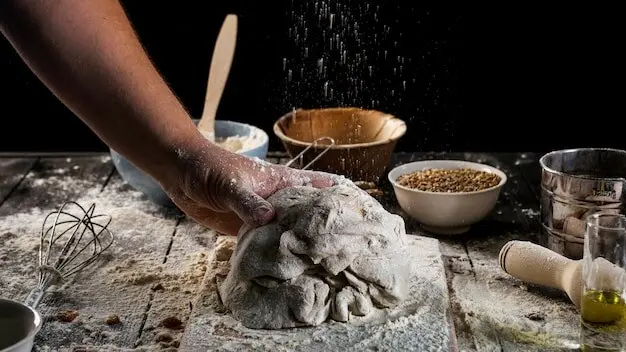
Fermentation tames altitude and scarcity, carrying sunlight forward in tangy, soulful jars and wheels. Salt, time, and native microbes collaborate with cool caves and wooden tools whose pores remember previous seasons. This quiet work teaches restraint, sanitation, and attentiveness, and rewards with complexity that can’t be hurried: a language of bubbles, bloom, and rinds speaking of pasture and stone.

Salt, Time, and Temperature

Simple ratios become mountain grammar: two percent salt by weight for shredded greens, cooler brines for crispness, and steady cellar temperatures that don’t jump when storms roll through. You press vegetables under their own juice, skim blossoms, label patiently, then wait. Days stretch. Quiet noises rise. Sourness and brightness find each other, forming flavors that travel through snow.

Mountain Microbes

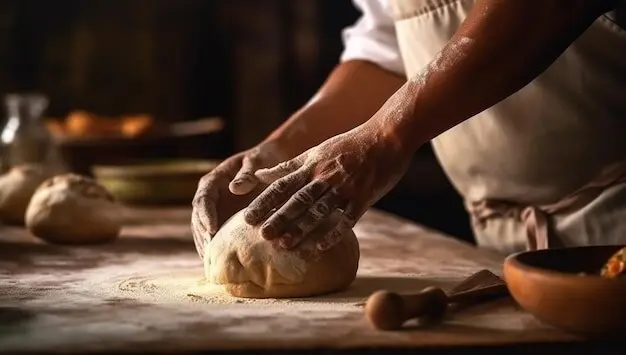
Raw milk from grass-diverse slopes brings resilient cultures that shape supple curds and protective rinds. Sauerkrauts started with spring water express local yeasts; sourdoughs fed with dark rye capture altitude’s chew. Even smoked meats depend on microflora in beams and rafters. Respect cleanliness without sterility, maintaining heritage while preventing hazards, because alchemy requires trust, discipline, and humility.

Milk That Tastes of Meadows

High pastures write themselves into milk with every bite a cow chooses: thyme over fescue, clover before sedge. Morning milk is sweeter; evening milk rests heavier. Makers guide this living liquid through copper, cloth, and cave, crafting Beaufort, Alpkäse, or Fontina that carry bells, paths, and thunderheads into kitchens where knives meet boards and conversation follows fragrance.

From Morning Milking to Copper Vat

Warm milk foams into pails, then flows to a kettle where rennet thickens it into trembling mass. Cutting curd determines tomorrow’s slice; stirring shapes meltability; scalding guards storage through snows. Each motion honors animals, pasture, and hands, making nourishment feel ceremonial, not industrial, while the valley measures time by bells, steam, and loaves cooling near windows.

Rind, Cave, and Patina

A wheel’s skin tells its biography. Washed rinds hint of cellar apples and clean straw; natural rinds breathe stone and dried herbs. Turning, brushing, and mindful airflow build protection and flavor. Months later, pale paste opens like sunrise over scree slopes, pairing with pickled chanterelles, smoky speck, or raw honey gathered from hives parked below the pass.

Rituals at the Table

Guests arrive windblown and pink-cheeked; soup bowls steam while a heavy board anchors the talk. Cheese is not garnish here but center, joined by rye bread, fermented cabbage, and a rough apple tart. Elders tell avalanche stories and sheepdog antics; children sneak seconds; someone pours génépi, and laughter climbs rafters like a final, grateful blessing.

Hearthside Plates and Trail Provisions

Meals answer terrain. Slow-cooked polenta receives melted mountain cheese; buckwheat crêpes cradle sauerkraut and browned onions; barley soups carry bone broth softened by hours of patience. Pocket food matters too: dense rye, dried pears, smoked sausage, and a wedge wrapped in cloth travel kindly, making windbreaks, cairns, and sun-warmed boulders feel like hospitable tables.

Keeping the High Country Alive

Traditions breathe when communities thrive. Sustainable grazing safeguards orchids, beetles, and springs; small dairies need fair prices and patient customers; trails require respectful feet. Climate shifts test altitudes, moving bloom times and water. Yet neighborly networks, seed swaps, micro-dairies, and shared cellars adapt gracefully. Join conversations, cook slowly, and help keep mountain foodways generous, resilient, and welcoming.

Stewardship and Biodiversity

Rotational grazing, hedgerow protection, and late mowing shelter ground-nesting birds and pollinators. Foragers can map sensitive spots, avoiding trampling on alpine cushions and rare gentians. Buying directly from huts, markets, and cooperative cellars keeps money nearby and repairs fragile margins. The reward is tangible: fuller pastures, clearer streams, and food that tastes like courage married to humility.

Climate Shifts, Adaptive Wisdom

Glaciers retreat, slopes dry faster, and storms strike in unfamiliar rhythms. Makers adjust by experimenting with salt percentages, curd sizes, and grazing times, trialing hardy grasses and water-saving practices. Oral knowledge thickens into notebooks and shared data. Resilience tastes like curiosity, collaboration, and kindness, especially when the mountain reminds everyone who ultimately sets the tempo.

Join, Cook, and Share

Subscribe for seasonal field notes, recipe experiments, and interviews with herders, cellar keepers, and foragers who steward flavor at altitude. Send your questions, swap sourdough cultures, or share a family method for juniper-brined cabbage. Conversations keep knowledge moving upward, step by thoughtful step, until snowmelt sings through kitchens and your table joins the circle.
Sentoxarifarizorivelto
Privacy Overview

This website uses cookies so that we can provide you with the best user experience possible. Cookie information is stored in your browser and performs functions such as recognising you when you return to our website and helping our team to understand which sections of the website you find most interesting and useful.